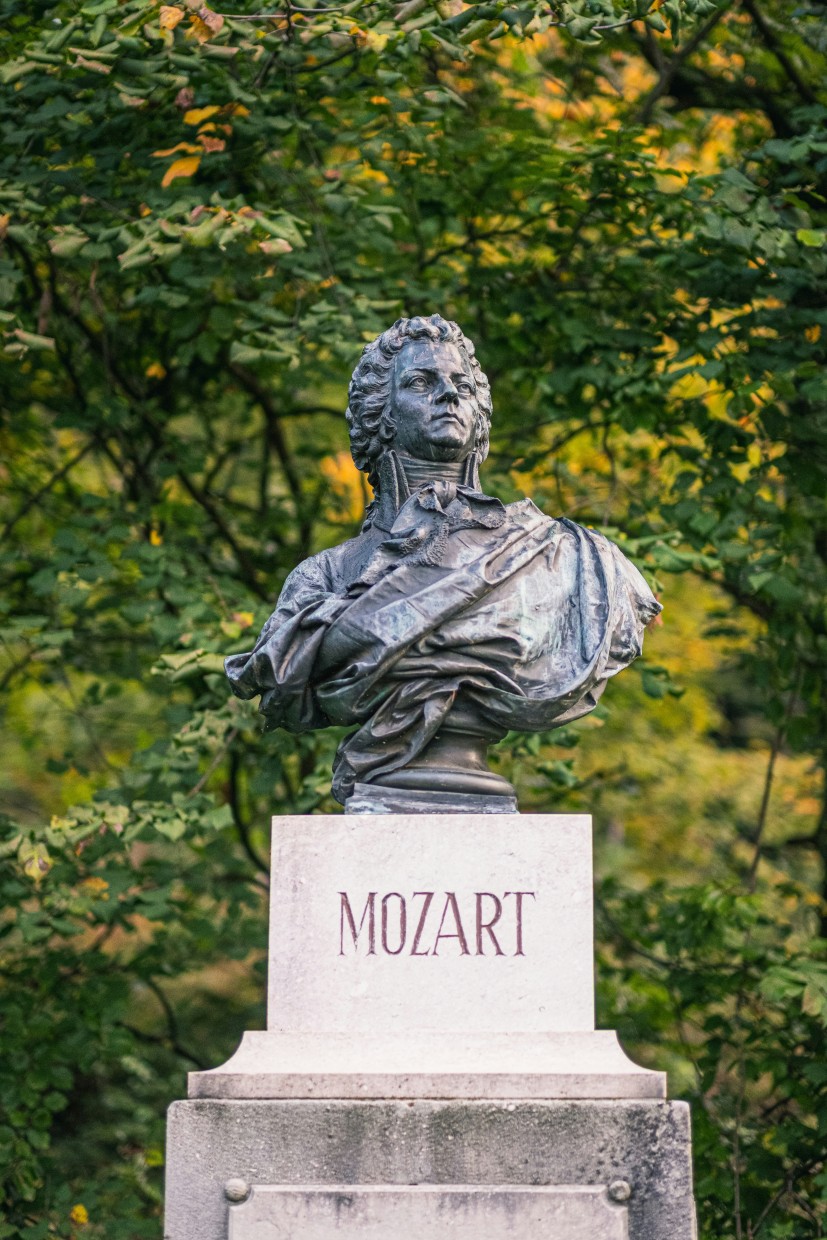
Classical era composers like Wolfgang Amadeus Mozart and Franz Joseph Haydn established the foundations of symphonies, string quartets, and operas with their distinct yet complementary styles. A music comparison between Mozart vs Haydn uncovers how their innovations in melody, harmony, form, and orchestration influenced generations of musicians.
Historical Context of Classical Era Composers
The Classical era, spanning roughly 1730 to 1820, emphasized balance, clarity, and proportion in music, moving away from the ornate complexity of the Baroque period. Franz Joseph Haydn, born in 1732 in Austria, became a pivotal figure as the "Father of the Symphony" and "Father of the String Quartet." Serving the powerful Esterházy family for nearly three decades, Haydn composed over 100 symphonies and 68 string quartets, standardizing the four-movement structure that remains central to these genres today. His isolation at the Esterházy estate allowed him to experiment freely, developing musical forms with humor, surprise, and structural rigor.
Wolfgang Amadeus Mozart, born in 1756 in Salzburg, entered the scene two decades later as a child prodigy. By age five, he was performing for European royalty, and his travels exposed him to Italian opera, German counterpoint, and French elegance. Unlike Haydn's stable patronage, Mozart's career involved constant touring and freelancing in Vienna, where he produced 41 symphonies, 23 piano concertos, and masterpieces like The Marriage of Figaro. This music comparison highlights Haydn's role as a pioneer who built the framework, while Mozart refined and elevated it with emotional depth. Both thrived amid Enlightenment ideals, prioritizing reason and accessibility over excess.
Melodic and Harmonic Approaches in Mozart vs Haydn
A core aspect of any music comparison between Mozart vs Haydn lies in their melodic styles, which reflect their personalities and influences. Haydn crafted short, punchy themes often inspired by folk music—rhythmic, earthy motifs that propel listeners forward with vitality. These melodies serve as springboards for his famous developments, where he introduces unexpected twists like sudden silences, dynamic contrasts, or rustic drones. In his "Surprise" Symphony No. 94, a simple theme erupts into playful interruptions, showcasing Haydn's love for wit and structural adventure.
Mozart, by contrast, favored longer, lyrical melodies that sing with operatic grace. His lines flow seamlessly, incorporating chromaticism for subtle emotional tension, as heard in the slow movement of Symphony No. 40. Where Haydn's themes feel extroverted and conversational, Mozart's evoke intimate drama, drawing from vocal writing to infuse instrumental music with human expression. Harmonically, Haydn pushed boundaries with bold modulations into distant keys and frequent use of minor modes, creating a sense of daring exploration. His quartets often venture into uncharted harmonic territory, resolving with triumphant clarity.
Mozart employed harmony more elegantly, building tension through restrained chromaticism and sudden shifts for dramatic effect. He rarely lingered in minor keys unless heightening pathos, preferring the luminous major modes that define Classical sunshine. This contrast in a Mozart vs Haydn music comparison underscores classical era composers' evolution: Haydn's rugged innovation versus Mozart's polished lyricism.
Formal Structures and Orchestration Techniques
Haydn and Mozart both mastered sonata form—the exposition, development, and recapitulation that structure symphonies and sonatas—but applied it differently. Haydn treated form experimentally, often monothematic (using one main idea) with lengthy developments packed with events. His symphonies, like No. 88 ("Letter V"), unfold like narratives full of surprises, where themes fragment, recombine, and modulate wildly before snapping back into balance. As a string quartet innovator, Haydn gave each instrument a distinct voice, turning ensemble playing into true conversation.
Mozart perfected symmetrical forms with shorter, more focused developments that prioritize drama over digression. His "Jupiter" Symphony No. 41 combines five themes in a monumental finale, achieving fugal complexity within Classical restraint. Orchestration reveals further divergence: Haydn's is bright and extraverted, with punchy winds, timpani shocks, and folk-like effects that fill concert halls. He expanded the orchestra thoughtfully, adding instruments for color without overwhelming the core strings.
Mozart orchestrated with transparency and subtlety, layering textures like a theatrical stage—violins soaring above hushed woodwinds or poignant oboe solos. His piano concertos, such as No. 20 in D minor, balance soloist and ensemble in dialogue, influenced by his operatic sensibilities. In this music comparison, Haydn's orchestral boldness complements Mozart's delicate interplay, together defining the Classical orchestra's golden age among classical era composers.
Mutual Influence and Lasting Impact
Haydn and Mozart's relationship amplified their contributions, blending mentorship with mutual admiration. When they met in Vienna around 1781, Haydn, 24 years older, hailed Mozart as the finest composer alive, prompting Mozart to dedicate his six "Haydn" Quartets (K. 387 et al.) to him. These works absorb Haydn's textural equality while infusing Mozart's melodic warmth. Haydn later credited Mozart with revitalizing his own style during London visits, where symphonies like No. 104 echo Mozartian elegance.
Debates on influence persist: Haydn provided the tools—symphonic scope, quartet intimacy—that Beethoven and others built upon. Mozart, however, integrated opera's emotional range into pure instrumental music, paving the way for Romantic expressiveness in Schubert and Brahms. Haydn's 1790s London symphonies bridged eras, while Mozart's late works, like the Requiem, transcend their time.
Why Mozart vs Haydn Defines Classical Music Excellence
Haydn and Mozart, as quintessential classical era composers, crafted a legacy of clarity, wit, and profundity that resonates in concert halls worldwide. Their music comparison reveals not rivalry but synergy—Haydn's structural daring paired with Mozart's melodic genius—shaping symphonies from Beethoven's Ninth to modern film scores. Listeners today still marvel at Haydn's surprises and Mozart's pathos, proving their styles' timeless power in the world of classical music.
Frequently Asked Questions
1. What are the main differences in Mozart vs Haydn styles?
Haydn's style emphasizes short, folk-inspired themes with adventurous developments, bold modulations, and humorous surprises in orchestration. Mozart focuses on longer, lyrical melodies influenced by opera, subtle textures, and dramatic tension through chromatic harmony.
2. Who was first, Mozart or Haydn?
Haydn was born in 1732 and became established earlier, earning titles like "Father of the Symphony." Mozart arrived in 1756 as a child prodigy and met Haydn in the 1780s, when Haydn was already a mentor figure among classical era composers.
3. Who influenced whom between Mozart and Haydn?
Haydn mentored Mozart, inspiring his "Haydn" string quartets with structural innovations. Mozart's melodic depth and operatic flair, in turn, refreshed Haydn's later London symphonies, creating a mutual exchange that advanced Classical music.
4. Was Mozart or Haydn more influential in classical music?
Haydn standardized symphony and quartet forms, laying groundwork for Beethoven. Mozart elevated emotional expressiveness and opera, influencing Romanticism. Their combined impact defines the Classical era, with Haydn as innovator and Mozart as refiners.
5. How do you tell Mozart and Haydn music apart?
Listen for monothematic structures and rustic wit in Haydn, versus Mozart's flowing, singable lines and theatrical orchestration. Haydn developments are eventful; Mozart's prioritize balance and pathos in this music comparison.
6. Did Mozart and Haydn know each other?
Yes, they formed a close friendship in Vienna around 1781. Haydn praised Mozart publicly and received a dedication of quartets; their collaboration strengthened both careers during the Classical period.
© 2026 Classicalite All rights reserved. Do not reproduce without permission.


