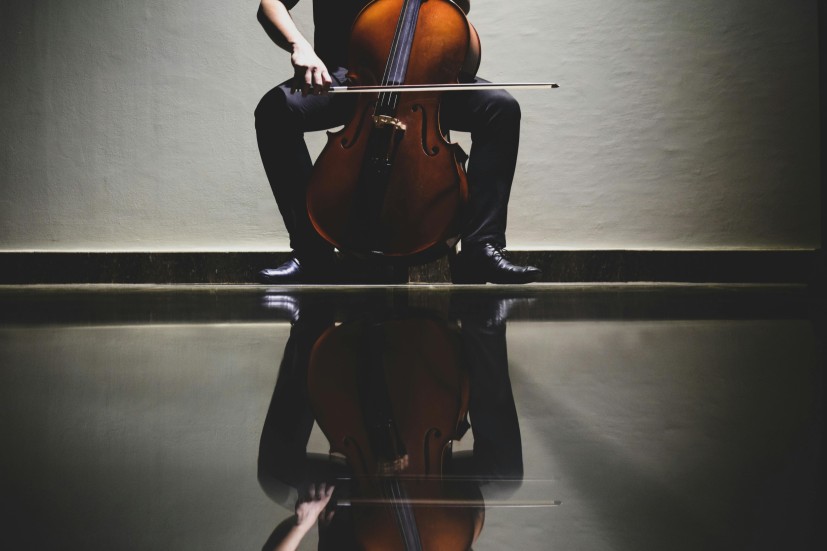
The soloist orchestra relationship forms the heartbeat of any concerto performance, where one artist's brilliance collides with a collective force to create something greater than either could alone. This interplay—part dialogue, part duel—defines classical music's most thrilling moments, drawing listeners into a world of tension and harmony.
Core Roles in Concerto Dynamics
Soloists step into the spotlight as virtuosic interpreters, wielding instruments like extensions of their voice. They perform without sheet music in many cases, channeling years of solitary practice into expressive lines that demand flawless intonation, agility, and emotional depth. Picture a violinist like Itzhak Perlman navigating double stops and harmonics under bright lights—the pressure amplifies every note, making their role a high-wire act of individuality.
Orchestras, meanwhile, embody precision and power, with dozens of musicians blending into a single sonic entity. Section leaders like first-chair violins guide their peers, while basses and timpani provide rhythmic bedrock. They shift focus effortlessly: supporting softly during solo passages or unleashing full tutti force to challenge the star. This restraint and surge highlight their adaptability, turning raw volume into sculpted soundscapes.
At its best, the soloist orchestra relationship balances these worlds. Soloists inspire bold risks, while orchestras offer a safety net of reliability. Without this mutual understanding, performances flatten into routine; with it, they ignite.
Historical Shifts in Soloist-Orchestra Ties
Baroque composers kicked off the concerto form with concerti grossi, pitting a small concertino group against the ripieno orchestra in lively contests. Vivaldi's works buzzed with this energy—solo violins darting amid string swarms, establishing opposition as a core thrill in the soloist orchestra relationship.
Classical masters like Mozart refined the dynamic, placing soloists amid the orchestra for intimate exchanges. In his piano concertos, the soloist converses directly with winds or strings, blurring lines between leader and supporter. This setup fostered collaboration, where orchestral interludes echoed solo ideas, paving the way for deeper emotional narratives.
Romantic giants pushed boundaries further. Beethoven's Emperor Piano Concerto erupts with solo flourishes that dominate, yet orchestral tuttis roar back with equal might, creating epic standoffs. Tchaikovsky and Brahms leaned into lyricism, letting solo lines weave through orchestral textures like threads in a tapestry. By the 20th century, composers like Ravel added coloristic layers, with orchestras rivaling soloists in complexity—think his Piano Concerto's jazzy woodwinds dancing around piano runs.
These evolutions mirror broader cultural changes: from courtly rivalries to symphonic partnerships. Today's concerto performance honors this legacy, adapting to modern halls and recordings while preserving the soloist orchestra relationship's spark.
Everyday Musical Conversations on Stage
Every concerto performance unfolds through structured dialogues that keep audiences hooked. Tutti sections rally the full ensemble, pounding out main themes with unified punch—brass blazing, strings surging—to set the stage. Then come solo episodes, where the orchestra recedes to pizzicato whispers or muted sighs, framing the star's display.
Cadenzas mark peak drama: soloists improvise or play written flourishes unaccompanied, stretching phrases into personal statements. The orchestra holds breath-like fermatas, building suspense before crashing back in resolution. This push-pull mirrors real conversations—question, response, escalation, harmony.
Call-and-response patterns add playfulness. In Mozart's Clarinet Concerto, woodwinds toss motifs to the soloist, who embellishes and returns them transformed. Romantic works layer complexity: Brahms' Violin Concerto has the orchestra introduce brooding themes, which the soloist develops with soaring passion. Dynamics shift constantly—fortissimo clashes yield to piano intimacies—demanding split-second cues.
Conductors orchestrate this ballet, eyes flicking between soloist and sections. A nod tempers brass; a lifted hand cues strings. Rehearsals, often just one or two, hone this via sectional run-throughs, ensuring the soloist orchestra relationship feels instinctive, not rehearsed.
Conductor's Bridge in the Spotlight
No element cements the soloist orchestra relationship more than the conductor's steady hand. They set tempos that honor the soloist's comfort—lingering in lyrical adagios, racing through allegros—while keeping the orchestra locked in. In fast passages, like the finale of Saint-Saëns' Violin Concerto No. 3, precise beats prevent chaos as solo runs intertwine with orchestral counters.
Communication goes beyond baton: eye contact signals phrasing nuances, a smile encourages risk-taking. Soloists often lead rubato, stretching beats expressively; the orchestra follows, then stabilizes. This dance peaks in exposed moments, like concerto openings where solo entries pierce silence amid hushed strings.
Top podium masters like Simon Rattle excel here, blending authority with flexibility. They allocate rehearsal time wisely—focusing on transitions where balances falter—and foster chemistry through pre-concert chats. When it works, the soloist orchestra relationship transcends notes, becoming a shared narrative alive in the moment.
Iconic Performances That Prove the Point
Tchaikovsky's Violin Concerto stands as a cornerstone. Its first movement pits soaring solo melodies against churning orchestral seas, with a cadenza that quiets the storm before tutti triumph. Janine Jansen's rendition with the London Philharmonic captures this—her fiery precision meets the orchestra's stormy depth, turning tension into exhilaration.
Brahms' Piano Concerto No. 2 flips the script toward equality. Orchestral horns herald the opening; the piano responds with cascading arpeggios, then joins in symphonic dialogue. Emanuel Ax with the Berlin Philharmonic exemplifies this, where solo bravura enhances rather than overshadows ensemble warmth.
Rachmaninoff's Piano Concerto No. 2 offers lush romance: swelling strings cradle piano's songful themes, building to ecstatic climaxes. Yuja Wang's electrifying takes with top orchestras showcase pinpoint balances—never drowning the keys, always amplifying passion. These examples reveal how concerto performance thrives on tailored synergy.
Modern twists shine too. John Williams' Violin Concerto blends filmic flair with tradition, solo lines soaring over colorful orchestral palettes. Joshua Bell's premieres highlight adaptive relationships, proving the form's vitality.
Lasting Effects on Stage Magic
Strong soloist orchestra relationships ripple through every concerto performance, heightening contrast and emotion. Seamless handoffs create narrative arcs—triumphs feel earned, introspections profound. Audiences sense this alchemy: applause swells for ovations when chemistry peaks, as in Lang Lang's stormy Prokofiev with the Vienna Philharmonic.
Preparation unlocks it. Soloists arrive polished; orchestras adapt via targeted cues. Mismatches erode magic—overloud tuttis bury solos, lagging rhythms kill momentum—but rare lapses underscore rehearsal's value. Ensembles like the Chicago Symphony build reputations on accommodating stars, yielding consistently electric results.
This bond influences programming too: venues pair compatible artists, fostering repeat collaborations. Recordings preserve peaks, like Karajan's Beethoven cycles, inspiring generations.
When Soloist-Orchestra Chemistry Takes Center Stage
Great concerto performance hinges on the soloist orchestra relationship—a fluid partnership where individual fire fuels collective glow, crafting evenings that linger long after the final chord.
Frequently Asked Questions
1. What defines the soloist orchestra relationship?
The soloist orchestra relationship thrives on dialogue, where the soloist leads with virtuosic flair and the orchestra responds with layered support, creating tension and unity in every concerto performance.
2. How does a soloist interact with the orchestra during a concerto?
Soloists exchange musical ideas through call-and-response patterns, tutti sections, and cadenzas—trading spotlights with orchestral swells to build drama and emotional depth.
3. What roles do soloists and orchestra musicians play?
Soloists focus on expressive individuality and technical brilliance from memory, while orchestra members prioritize blending, precision, and dynamic flexibility to elevate the whole.
4. Why is the conductor key in concerto performances?
Conductors balance tempos, cue entries, and foster eye-contact chemistry, ensuring the soloist orchestra relationship flows seamlessly despite limited rehearsals.
5. Which concertos best showcase this dynamic?
Tchaikovsky's Violin Concerto and Brahms' Piano No. 2 highlight epic clashes and partnerships, with solo lines weaving through orchestral power for timeless impact.
© 2026 Classicalite All rights reserved. Do not reproduce without permission.


