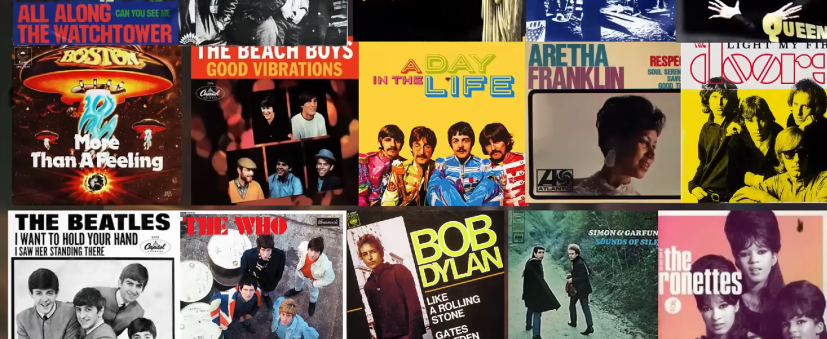
Influential musicians stand as pillars in music history, reshaping genres, technology, and culture through bold innovations. These music history legends turned personal visions into global movements, from electrifying guitars to MTV spectacles that redefined fame.
Who Are the Most Influential Musicians?
Here are key influential musicians who reshaped the industry:
- The Beatles: Revolutionized pop music in the 1960s with their harmonious melodies and experimental studio work. "Sgt. Pepper's Lonely Hearts Club Band" introduced concept records and multitrack recording, shifting the industry from singles to full artistic statements. Their influence spans generations, inspiring everyone from indie bands to K-pop groups with layered production and catchy hooks.
- Michael Jackson: Earned his "King of Pop" crown by blending dance, soul, and rock into a visual spectacle. "Thriller" sold over 70 million copies, thanks to groundbreaking videos like "Thriller" that made MTV a cultural force. He broke racial barriers on television and set sales records that labels chased for decades, proving music could conquer global markets single-handedly.
- Bob Dylan: Elevated songwriting to poetic heights, merging folk traditions with electric energy. Tracks like "Like a Rolling Stone" stretched pop songs past six minutes, challenging radio norms and inspiring protest anthems during social upheavals. His Nobel Prize in Literature nods to lyrics that read like novels, influencing hip-hop bars and indie confessions alike.
Rolling Stone's greatest artists list often puts these icons at the top for good reason.
How Have Musicians Changed Music?
Elvis Presley fused country twang, blues grit, and gospel fire into rock 'n' roll, igniting teen rebellion in the 1950s. His swivel-hipped TV appearances shocked parents and skyrocketed record sales, birthing the modern rock star archetype. Presley turned Sun Records into a launchpad for the genre, paving the way for stadium tours and merchandise empires.
Jimi Hendrix flipped the electric guitar on its head with psychedelic effects and raw feedback. Songs like "Purple Haze" and his Woodstock rendition of "The Star-Spangled Banner" expanded rock into funk and metal territories. He played his Stratocaster upside down, innovating distortion pedals that producers still swear by in studios worldwide.
Aretha Franklin channeled gospel power into soul anthems, demanding "Respect" with unmatched vocal runs. Her hits at Atlantic Records blended church choirs with secular beats, empowering women in R&B and beyond. Franklin's phrasing influenced divas from Whitney Houston to Beyoncé, proving raw emotion trumps polish every time.
Queen, led by Freddie Mercury, shattered rock conventions with operatic epics like "Bohemian Rhapsody." The six-minute opus mocked three-minute singles, topping charts despite no chorus repetition. Their Live Aid performance cemented stadium rock's theatricality, blending ballet moves with guitar shredding for anthems that fill arenas today. Victrola's take on revolutionary bands highlights how Queen pushed those boundaries.
Which Musician Changed Music the Most?
Chuck Berry scripted rock's DNA with duck-walking riffs and car-themed tales in "Johnny B. Goode." His three-chord progressions and storytelling became blueprints for The Beach Boys and hip-hop samples decades later. Berry's influence lingers in every power chord, from garage bands to Grammy stages.
The Rolling Stones cranked blues into gritty stadium rock, outlasting peers with hits like "Satisfaction." Mick Jagger's swagger and Keith Richards' riffs defined bad-boy rebellion, spawning fashion lines and endless tours. They proved longevity beats flash, still packing venues into the 2020s.
Nirvana's Kurt Cobain detonated grunge with "Nevermind", slaying glam metal overnight. "Smells Like Teen Spirit" captured angst in distorted fuzz, launching alternative rock's commercial boom. Cobain's DIY ethos trickled into indie labels and TikTok creators, reminding everyone authenticity sells.
Run-DMC bridged rap and rock via "Walk This Way" with Aerosmith, turning Adidas tracksuits into uniforms. Their 1986 collab smashed genre walls, introducing hip-hop to white suburbs and reviving Aerosmith's fortunes. This fusion birthed rap-rock hybrids like Rage Against the Machine.
What Bands Changed Music Forever?
Daft Punk masked up to redefine electronic dance music with robotic funk on "Discovery". Hits like "One More Time" auto-tuned vocoders into mainstream staples, influencing EDM festivals and pop auto-tune trends. Their pyramid stage setups revolutionized live visuals, blending Daft Punk's French house with disco grooves that pulse in clubs now.
Public Enemy amplified hip-hop's political edge with "It Takes a Nation of Millions to Hold Us Back." Bombastic samples and Chuck D's shouts tackled racism head-on, pushing rap toward activism. Their noise-collage production inspired producers like Kanye West, who layered scratches into emotional beats.
The list grows with pioneers like Louis Armstrong, whose scat singing jazzed up improvisation in the 1920s. His gravelly charm in "What a Wonderful World" warmed hearts globally, turning jazz into America's classical export. Armstrong's trumpet innovations echo in every smooth jazz playlist.
Woodstock survivors like Santana fused Latin rock with spiritual jams, peaking at "Black Magic Woman." Carlos Santana's sustain-heavy guitar bent blues into world music, crossing into pop charts unexpectedly. His peace-sign ethos fueled fusion bands blending salsa with shredding. Musicnotes blog covers several of these game-changers nicely.
Key Impacts of Influential Musicians Today
These music history legends digitized creativity—from Beatles' tape loops to Pro Tools plugins born in their studios. Streaming platforms owe Jackson's global blueprint, where algorithms push cross-genre playlists echoing Dylan's narrative twists.
Modern stars like Taylor Swift reclaim masters, channeling Presley's hustle into business savvy. Hip-hop beats chop Berry riffs endlessly, while AI tools mimic Hendrix feedback for viral tracks. Virtual reality concerts nod to Queen's theatrics, immersing fans like never before.
Influential musicians sparked merch booms, from Stones' tongues to Run-DMC's shells. Social media amplifies their playbook, letting bedroom producers go viral overnight. Podcast breakdowns dissect Dylan's metaphors, keeping lessons fresh for Gen Z creators. Critics Rant dives into some modern ripples from these legends.
Lasting Echoes of Music History Legends
Innovations from influential musicians power 2026's soundscapes, from neural-net compositions to hologram tours. Emerging artists mash Hendrix haze with Daft Punk bots, proving these legends scripted endless reinvention. Their riffs and refrains pulse through apps and arenas, fueling music's next evolution.
Frequently Asked Questions
1. Who are considered the most influential musicians in history?
The Beatles, Michael Jackson, and Bob Dylan frequently top lists for revolutionizing pop, global stardom, and songwriting. Their innovations in studio techniques and lyrics set new industry standards.
2. How did Elvis Presley change the music industry?
Elvis fused country, blues, and gospel into rock 'n' roll, sparking teen culture and massive sales. His TV performances birthed the rock star image and stadium tours.
3. What role did Jimi Hendrix play in music evolution?
Hendrix pioneered electric guitar effects like distortion and feedback in songs such as "Purple Haze." He expanded rock into psychedelia, influencing funk and metal genres.
© 2026 Classicalite All rights reserved. Do not reproduce without permission.


