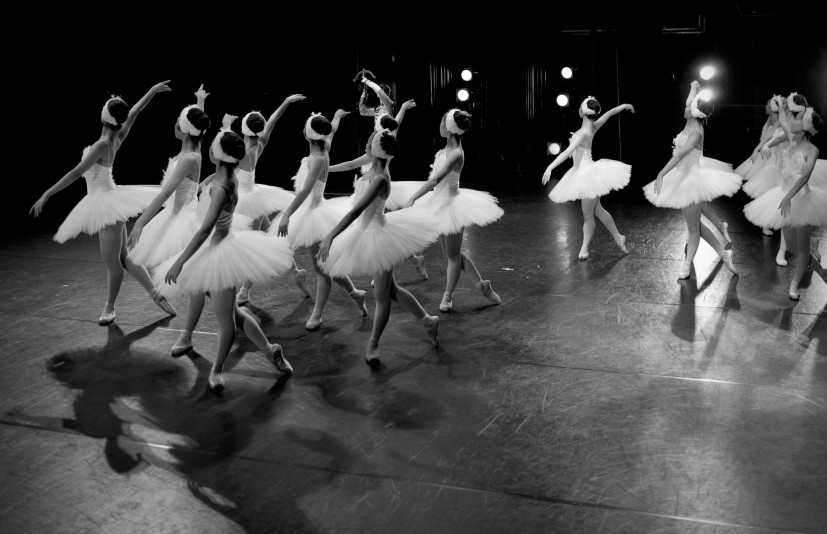
Ballet is one of the most structured and recognizable dance forms in the world, and it often appeals to people who want a graceful, disciplined, and full-body activity. For anyone searching for ballet for beginners or ballet basics, the first class is usually less about performance and more about learning how to move with control, balance, and awareness.
What Ballet Is
Ballet is a classical dance style built on posture, alignment, turnout, musicality, and precision. It uses a specific vocabulary of steps and positions, which is why new students often spend their early classes learning the language of movement before attempting more complex combinations.
A beginner does not need prior dance experience to get started. Most first classes focus on simple exercises that teach body placement, foot positions, and rhythm in a way that feels manageable for new dancers.
According to the Royal Academy of Dance, ballet training is strongly rooted in technique and progression, which is why the early stages matter so much. The School of American Ballet also emphasizes that beginners benefit from a gradual introduction to foundational movement rather than rushing into advanced steps.
What to Expect in Class
A first ballet class usually follows a predictable structure. It often begins with a gentle warm-up, then moves to barre exercises, and later includes center work where students practice steps without holding the barre.
The instructor typically demonstrates each movement first, then breaks it down into smaller parts. This helps beginners understand not only what the step looks like, but also how it should feel in the body.
Here is a simple outline of a typical beginner class:
- Arrival and setup.
- Warm-up and posture check.
- Barre exercises.
- Center practice.
- Stretching or cooldown.
The exact format depends on the studio, but the goal is usually the same: introduce the student to the rhythm, discipline, and structure of ballet in a clear and supportive way.
Ballet Basics to Learn First
The most important ballet basics include posture, balance, turnout, and controlled movement. These are the foundation of nearly every exercise and combination in class, so beginners usually revisit them often.
Some of the earliest skills a student may encounter include:
- First through fifth foot positions.
- Arm positions and carriage.
- Plié, which is a bending of the knees.
- Tendu, which extends the working foot along the floor.
- Relevé, which means rising onto the balls of the feet.
- Dégagé, which is a small, quick extension.
These movements may look simple, but they train strength, coordination, and precision. That is one reason beginner ballet classes often repeat the same exercises frequently: repetition builds muscle memory.
A few other concepts also matter early on:
- Turnout comes from the hips, not just the feet.
- Good posture helps with balance and line.
- Breathing should stay steady during movement.
- Control matters more than speed.
That foundation is what makes later ballet training easier to follow.
What to Wear and Bring
Comfort and mobility matter more than style for a first class. Clothing should be fitted enough for the instructor to see alignment, but not so restrictive that it limits movement.
Common beginner ballet clothing includes:
- A fitted top or leotard.
- Leggings or tights.
- A simple skirt, if desired.
- Ballet shoes or studio-approved footwear.
- Hair tied securely away from the face.
A water bottle is also useful, especially if the class is physically active or takes place in a warm studio. Some beginners also bring a small towel and an open mind, since early classes may involve a lot of listening, observing, and trying again.
If a studio has a dress code, it is usually worth following it closely. Standardized clothing helps instructors see alignment and provide better corrections.
Helpful Tips for the First Class
A first ballet class usually feels easier when the student knows what to expect. Small habits can make the experience more comfortable and less stressful.
Useful beginner tips include:
- Arrive early to find the studio and settle in.
- Read the class description before attending.
- Ask questions if the teacher uses unfamiliar terms.
- Focus on learning instead of looking perfect.
- Watch how the instructor demonstrates each step.
- Be patient with balance and coordination.
It also helps to avoid comparing progress to other dancers in the room. Some students may have dance experience, while others are also complete beginners. The class is usually designed to accommodate a range of starting points.
The American Ballet Theatre often highlights that ballet training develops over time, not overnight. That perspective is useful for beginners who may feel unsure during the first few sessions.
A Confident Start in Ballet
For anyone looking into ballet for beginners, the best way to begin is by understanding the structure of class and focusing on the core ballet basics. Once the essential positions, steps, and expectations become familiar, the style feels less intimidating and much more rewarding.
A first class is not a test of talent. It is an introduction to a discipline that values consistency, awareness, and growth. With the right mindset, a beginner can walk into class prepared, learn steadily, and build a strong foundation for future progress.
Frequently Asked Questions
1. What should a beginner know before their first ballet class?
A beginner should expect to focus on basic posture, simple movements, and class etiquette rather than advanced technique. The first class is usually about learning the structure of ballet and getting comfortable with the fundamentals.
2. What are the basic ballet positions?
The basic ballet positions include five foot positions and several arm positions used throughout class. These positions help create alignment, balance, and the clean lines that are central to ballet technique.
3. What do you wear to a beginner ballet class?
A beginner usually wears fitted clothing that allows the instructor to see body placement clearly. Common choices include leggings, a leotard or fitted top, and ballet shoes.
© 2026 Classicalite All rights reserved. Do not reproduce without permission.
