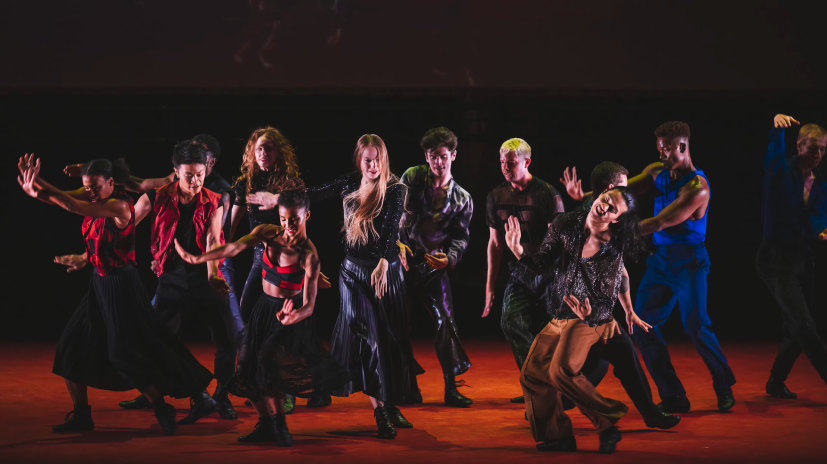
"Romeo and Juliet Suite" reimagines Shakespeare's tragedy through Benjamin Millepied choreography that fuses live dance with cinematic capture. Dancers weave from stage into hidden theater nooks, their every move broadcast via roving cameras in this hybrid dance film. Premiering at New York's Park Avenue Armory in March 2026, it breathes new life into Prokofiev's turbulent score, pulling in ballet novices and film buffs alike.
Read Also: '& Juliet' Poised for Worldwide Stages with MTI's New Licensing Rights — Here's What It Means
Inside Benjamin Millepied Choreography
Benjamin Millepied long avoided Prokofiev's "Romeo and Juliet," scarred by its overuse in Kenneth MacMillan's lavish 1965 ballet that he caught as a teen. His perspective flipped through cinephile lenses—old Hollywood scores nodding to Prokofiev, plus Jerome Robbins's taut "West Side Story Suite" that he danced at New York City Ballet. A pivotal 2019 short film paired Margaret Qualley and Shameik Moore in the balcony scene, reciting Shakespeare amid fluid steps. Soon after, cameras trailed dancers through Los Angeles's Walt Disney Concert Hall during Philharmonic gigs, proving live video could amp drama's intimacy. The full "Romeo and Juliet Suite," born for L.A. Dance Project in 2022, strips the play to lovers' meet-cute, passion, and doom—no feuding families or comic relief to dilute the punch, as detailed in the New York Times.
Hybrid Dance Film Mechanics
Enter Sébastien Marcovici, principal dancer turned camera wielder, shadowing performers like a third lead in the trio. He syncs to musical counts and footwork, turning the lens into a ballet partner that catches balcony whispers and Tybalt's raw kill up close—moments too fine for proscenium distance. Live projections tower over onstage action, blending flesh-and-blood urgency with film's unflinching stare. Spare costumes in muted tones and minimal props craft a hazy, era-less world where gestures speak loudest. Margaret Fuhrer highlights how this setup scales storytelling human-size, ditching ballet's grand pantomime for subtle truths.
Casting Choices and Venue Twists
Romeo and Juliet swap across casts: man-woman pairs, two men, or two women, honoring love's spectrum. Daphne Fernberger, one Romeo, details fight rehearsals with Tybalt (always male) dialed for safety yet visceral scare. Duets barely shift, banking on genuine spark over gendered tropes, as David Adrian Freeland Jr. notes—98% identical moves. Venues dictate reinvention; Sydney Opera's forecourt balcony yields to Armory's warren of stairs and offices, covered in Dance Reflections by Van Cleef & Arpels' early show notes. France's debut drew "woke" jabs on talk shows, but Millepied eyes New York's chill nod to timeless passion.
Lasting Spark of 'Romeo and Juliet Suite'
Benjamin Millepied choreography in this hybrid dance film shatters ballet's fourth wall, luring crowds craving realness. Prokofiev's swells drive split-second lifts and clashes that haunt. Secure Park Avenue Armory seats to witness love ignite then shatter on dual planes—stage and screen deliver the thrill.
© 2026 Classicalite All rights reserved. Do not reproduce without permission.


