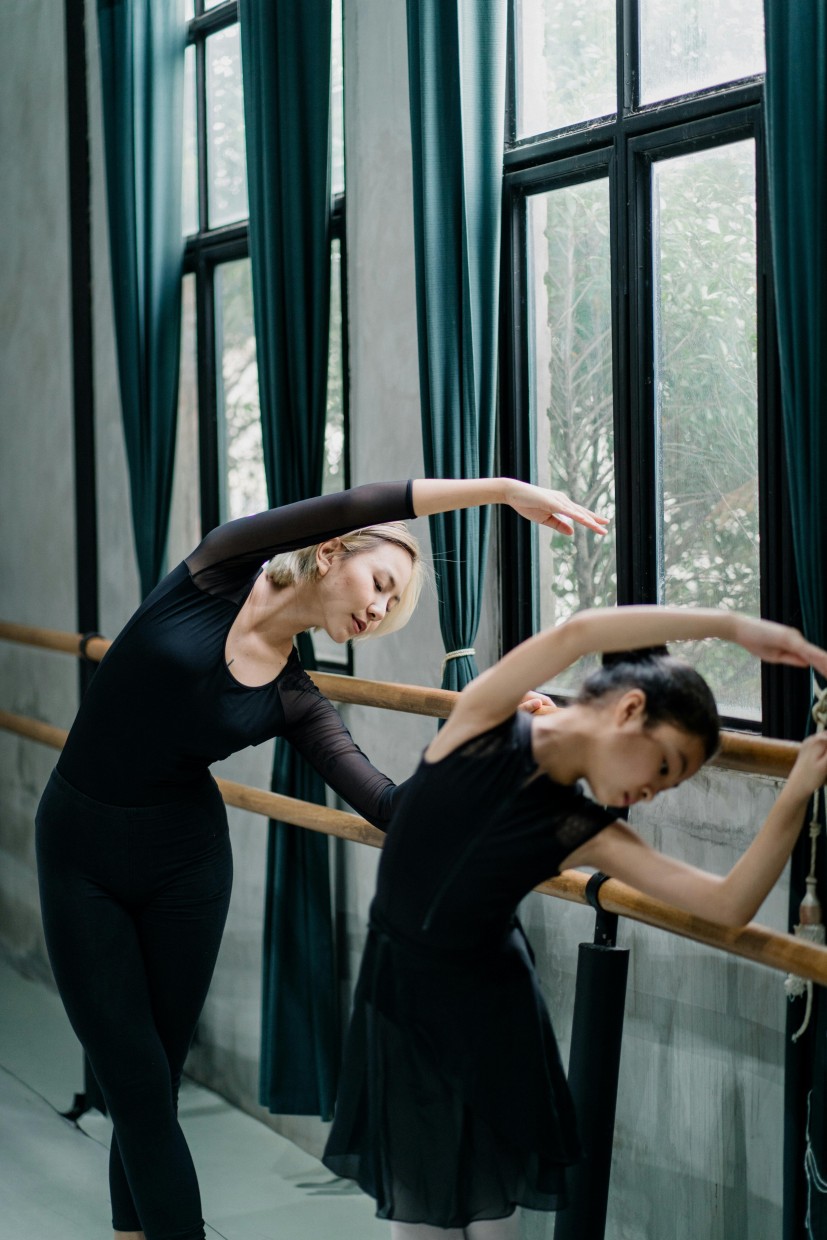
Ballet enchants with its weightless arabesques, lightning pirouettes, and harmonious corps work that appears supernatural. Originating in 17th-century courts, it has evolved into a pinnacle of human physicality. Ballet training demands total transformation—bones adapt, muscles hypertrophy selectively, minds steel against failure. Ballet technique insists on anatomical impossibilities: maximal turnout, vertical elongation, microsecond timing. Tap taps freely; lyrical sways emotionally—ballet architects perfection. Discover through dancers' burning questions why it outstrips all rivals.
What Makes Ballet Technique So Difficult?
Ballet technique subjugates the body to classical codes stricter than military drill. Turnout engages six external rotators per hip, sustaining 90–180 degrees against gravity's pull. Pointe demands metatarsal compression, where peak loads reach 90% body weight per toe—equivalent to standing on eggshells.
Essential components dissected:
- Épaulement: Neck-shoulder orchestration for kinetic sculptures; misalignment cascades errors.
- Petit allegro: Brisés, cabrioles at 5–6 per second; calves contract 300% faster than sprint strides.
- Adagio: Grand battement développé to ear height; hamstrings elongate 20% beyond norms.
- Port de bras: Fluid transitions mask 50+ muscle firings per phrase.
- Sautés: Continuous jumps taxing fast-twitch fibers exclusively.
Dance Magazinechronicled a Joffrey dancer's regimen: 42 hours dissecting these, noting ballet technique trains unilateral power absent in symmetric sports. Salsa forgives flair; ballet quantifies elegance.
How Many Years Does It Take to Learn Ballet?
Ballet training unfolds as a decade-spanning apprenticeship, phased for physiological readiness. Peak neuroplasticity hits ages 5–7; delay risks compensation injuries.
Comprehensive roadmap:
- Pre-ballet foundation (4–7, 18–24 months): Creative movement, basic positions; 45-min sessions 2x/week build kinesthetic base.
- Primary grades (8–10, 24 months): Full barre (plié to grand battement); intro center; 1.5 hours 3x/week.
- Intermediate grades 1–5 (11–14, 36 months): Pointe eligibility, pirouettes; variations emerge; 4–6 hours 5x/week.
- Advanced vocational (15–18, 48 months): Pas de deux, stamina drills; audition prep; 6–8 hours daily.
- Apprentice/corps (19+, 24–36 months): Company integration; 35–40 hours including rehearsals.
- Soloist/principal: 15–25 years mastery, Royal Academy of Dance curriculum.
Dropout exceeds 98%, per Dance/USAmetrics—ballet technique weeds ruthlessly, rewarding grit.
Why Is Ballet the Hardest Form of Dance?
Ballet orchestrates polymath demands: aerobic capacity (60–70% VO2 max sustained), anaerobic bursts, neural wiring for proprioceptive genius. Females orbit 14–18% fat; males forge 10–15% power margins.
Expanded challenge grid:
- Strength: Penché recoveries > breakdancing planches.
- Flexibility: Oversplit attitudes > yoga backbends.
- Precision: 0.5-degree turnout variance < ballroom sync.
- Endurance: 120-min pointe > salsa marathons.
- Coordination: Bilateral pirouette spotting > tap shuffles.
- Balance: Single-leg relevé 60s > aerial silks.
- Mental resilience: Critique absorption > competitive cheer.
British Journal of Sports Medicinequantifies 4.8 injuries/1,000 hours—2x contemporary. Ex-pro Alessandra Ferri shared: "Auditions break souls yearly." Ballet births icons through fire.
Which Dance Is the Hardest After Ballet?
Contemporary shadows ballet, grafting ballet technique onto emotive partnering. Grand lifts sans spotters shred lats; improvisational phrasing fatigues decisions.
Full rankings:
- Breakdancing: Olympic headspins risk cervical fusion; torque rivals wrestling.
- Flamenco: 1,000+ zapateados/hour; seismic leg power.
- Bharatanatyam: Tattukazhi foot syllables + abhinaya eyes.
- Capoeira: Au flips evade roda; rotational velocity extreme.
- Butoh: Slow-motion convulsions tax isometrics.
- Waacking: Armature isolations mimic popping extremes.
ABT vets deem contemporary "ballet's wild sibling—freedom costs sanity." Pointe's tyranny prevails.
Why Do Ballerinas Get Injured So Much?
Ballet training amplifies micro-stresses into macro-breakdowns. Relevé cycles (1,200/day) pulverize sesamoids; turnout shears acetabular rims. Energy deficits (1,500–2,200 kcal) spike RED-S syndrome.
Injury epidemiology:
- Stress fractures: 28% annual, navicular hotspots.
- Hip pathologies: 42% labral tears from cam impingement.
- Ankle syndromes: 30% post-ligament laxity.
- Knee patellar: 22% tracking failures.
- Thoracic outlet: Port de bras compresses nerves.
New York Times investigations catalyzed change: AI gait analysis, vitamin D protocols. Structured prevention:
- Weekly mobility (frogs, pigeons).
- Strength circuits (banded clamshells).
- Load monitoring apps.
- 48-hour recovery mandates.
Risks drop 35% with protocols.
What Is the Most Difficult Ballet Move?
Fouettés symbolize apex torment: 32–36 iterations spotting relentlessly, leg generating 1,500 RPM whirl. Inner thigh burns; ankle quivers.
Supreme gauntlets:
- Grand jeté en tournant: 5-foot split + double rotation aloft.
- Manège tour en l'air: 12 consecutive aerial twists peripherally.
- Attitude à la seconde multiples: 8+ on extreme extension.
- Renversé assemblé: Plunging dive to assemblé recovery.
- Emboîté en tournant: Ankle-interlocked chain jumps.
- Grand pas de chat: Knee-to-ear bounds bilaterally.
Slow-mo reveals ballet technique wizardry—one frame's lag topples empires. Specialists dedicate months.
Ballet Training Essentials for Tackling These Demands
Ballet training underpins ballet's unyielding allure, bolstered by gyroscopes, EMG feedback. Ballet technique matures via deliberate practice: 10,000-hour rule manifests. Novices emphasize form; elites innovate stamina hacks. Studios worldwide beckon—lace up, breathe deep: ballet tests, then transcends.
Frequently Asked Questions
1. What makes ballet technique so difficult?
Ballet technique demands unnatural turnout (180° hip rotation), pointe balance on 1-2 square inches, and perfect épaulement. Every muscle fires independently—port de bras alone coordinates 50+ firings per phrase. Unlike hip-hop's flow, ballet enforces millimeter precision.
2. How many years does it take to learn ballet?
Professional ballet training spans 12-20 years: pre-ballet (ages 4-7), intermediate (8-14), advanced (15+). Only 2% reach company level. Daily progression builds from 1-hour beginner classes to 8-hour pro rehearsals.
3. Why is ballet the hardest form of dance?
Ballet training combines gymnast flexibility, sprinter speed, and surgeon precision—on pointe for 2-hour shows. Injury rates hit 4.8 per 1,000 hours (double contemporary). Mental perfectionism under audition pressure separates it from freer styles.
© 2026 Classicalite All rights reserved. Do not reproduce without permission.


