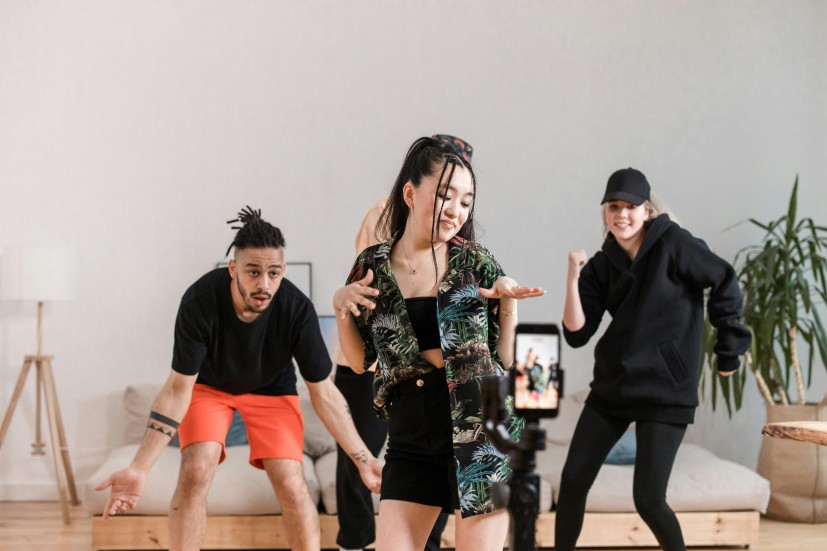
Social media has turned dance into one of the fastest-moving forms of online entertainment. Across TikTok, Instagram Reels, and YouTube Shorts, dance trends spread quickly as users copy, remix, and reinvent short routines. These viral dance styles often start with a single creator, but they can reach millions within days when the right song, timing, and platform algorithm align. What used to take place in studios, clubs, or live performances now happens in feeds, comment sections, and challenge videos shared around the world.
Why Dance Trends Spread So Fast
The speed of viral growth is one of the biggest reasons viral dance styles dominate social platforms. A dance challenge does not need long setup, expensive production, or advanced technical skill. Instead, it usually relies on a few core ingredients that make it easy to copy and fun to watch.
What drives dance trends
- Simple choreography: Short routines are easier for casual users to learn and recreate.
- Catchy audio: Songs with strong beats, memorable hooks, or dramatic drops help movement stand out.
- Algorithm support: Platforms promote videos that earn quick engagement, repeated views, and shares.
- Social participation: Users enjoy joining a shared moment, especially when friends, influencers, or celebrities take part.
- Remix culture: Duets, stitches, and reaction videos keep the original trend alive while adding new versions.
Celebrity participation also plays a major role. When artists, athletes, or major influencers join a challenge, the visibility can surge almost immediately. That exposure helps dance trends move beyond niche communities and into mainstream entertainment.
Platforms That Push Viral Dance Styles
Not every platform works the same way, but each one helps spread viral dance styles in a different manner. TikTok remains the most influential platform for dance challenges because its recommendation system can push unknown creators into global visibility. A routine posted by a small account can become widely copied if the sound and movement connect with users quickly.
Instagram Reels also supports the growth of dance trends, especially when creators want polished visuals and cross-platform reach. It often works as a second wave, where dance clips that first gained traction elsewhere continue circulating among a broader audience.
YouTube Shorts adds a different layer by making dance content easier to search and revisit. Tutorials, compilations, and reaction videos often help trends last longer than they would on faster-moving feeds.
Most common platforms for dance trends
- TikTok.
- Instagram Reels.
- YouTube Shorts.
- Snapchat Spotlight.
- Facebook Reels.
Each platform encourages slightly different behavior, but the overall pattern stays the same: short, expressive movement gets repeated until it becomes recognizable as a trend.
Popular Dance Trends and Song Culture
Music and dance have always been connected, but social media has made that connection much faster. Many dance trends are built around a specific song or sound clip, and the choreography is often designed to match a beat drop, lyric cue, or instrumental break. That close relationship can push older songs back into circulation and help new tracks become breakout hits.
Examples of widely recognized tracks tied to dance culture include "Old Town Road" by Lil Nas X, which became a major social media moment through user-generated content, and "Savage" by Megan Thee Stallion, which inspired one of the most recognizable online routines of its time. Trends like "Renegade" also showed how a dance can become more famous than the original creator when it spreads widely enough.
How songs become part of dance trends
- A creator pairs movement with a strong section of a song.
- Others copy the choreography and post their own versions.
- The audio gains momentum through repeat use.
- The song becomes linked with the dance in viewers' memory.
This cycle benefits artists, record labels, and content creators. A track with a strong beat can travel farther when it is tied to an easy, memorable routine. Billboard has repeatedly noted the connection between social media dance moments and chart movement, showing how online performance now influences music discovery.
Why Users Keep Joining Dance Challenges
People do not join dance trends only because they want to perform well. Many participate because the format is welcoming. A user does not need to be a trained dancer to try a challenge. Even awkward, low-budget, or humorous attempts can gain attention, which makes the trend feel approachable.
The social side matters too. Participation signals that a user is aware of what is current. That creates a kind of digital belonging, where joining the trend is as important as doing the dance correctly.
Common reasons people join viral dance styles
- To take part in a shared online moment.
- To show personality or humor.
- To gain visibility or followers.
- To support a favorite song or artist.
- To practice movement in a low-pressure format.
This accessibility is part of why viral dance styles continue to dominate. They combine entertainment, self-expression, and social identity in a format that works across age groups and regions.
How Creators Make Dance Trends Catch On
Creators who start dance trends usually focus on clarity and repetition. The routine has to be easy enough for other users to follow, but distinctive enough to stand out in a crowded feed. The best-performing dance challenges often feature one memorable move, a clear rhythm, and a visual hook that people remember after one viewing.
What helps a dance trend catch on
- Use a song with a strong and recognizable beat.
- Keep the steps short and repeatable.
- Film with clear lighting and a clean frame.
- Include text that invites others to try it.
- Use platform features like duets, stitches, and remix tools.
- Post at a time when audience engagement is high.
Creators also benefit from consistency. One successful post can spark a trend, but repeated engagement helps it survive long enough to reach new audiences. Analytics can show which songs, movements, or editing styles perform best.
The Cultural Impact of Viral Dance Styles
The rise of dance trends has changed more than social media habits. It has influenced fashion, music marketing, fan behavior, and global pop culture. A dance challenge can turn a song into a hit, push a creator into the spotlight, and inspire millions of copies across countries and languages.
At the same time, there are challenges. Some trends raise concerns about credit, originality, or cultural borrowing. When movement traditions are taken from specific communities without acknowledgment, the result can be controversial. There is also pressure on creators to keep producing content that can match the speed of trending cycles.
Still, the broader impact remains significant. Viral dance styles have made dance more visible, more participatory, and more connected to the way people discover music online. That influence is likely to keep growing as short-form video continues to shape how audiences consume entertainment.
Dance trends are no longer limited to a single app, a single artist, or a single audience. They move across platforms, languages, and cultures at remarkable speed. As long as users keep looking for ways to join, share, and remix what they see, dance trends and viral dance styles will stay at the center of social media culture.
Frequently Asked Questions
1. What are the most popular dance trends on social media?
"Midnight Snack Challenge", "Electric Slide 2.0", K-Pop Wave, and "Ghost Glide" lead early 2026 feeds. The "Renegade" from 2020 still inspires remixes. Check TikTok Creative Center for real-time rankings.
2. Why do dance trends go viral so fast?
Simple choreography, catchy audio like "Old Town Road", and algorithm boosts drive rapid spread. Videos often hit 1 million views in 24 hours through duets and FOMO.
3. How do social media dance challenges start?
A single creator posts original choreography to trending audio. Early duets and stitches create momentum until algorithms amplify it globally.
© 2026 Classicalite All rights reserved. Do not reproduce without permission.


