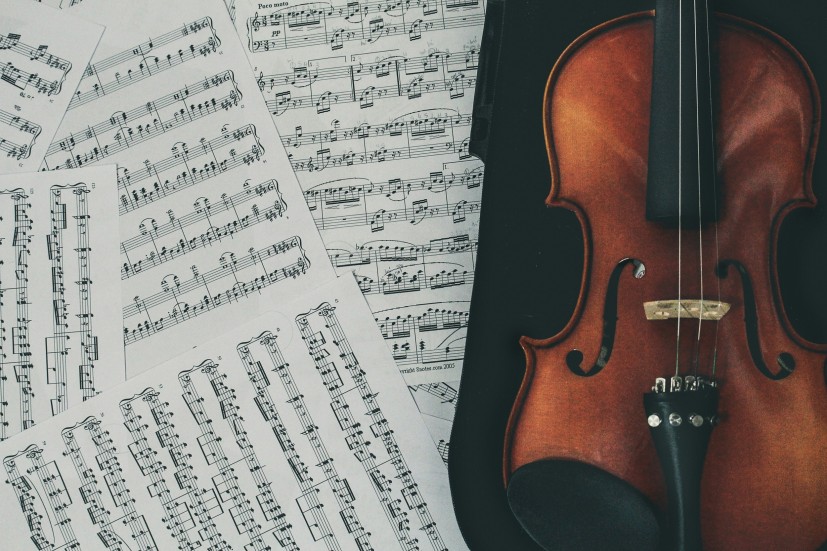
Classical music streaming has reshaped how people encounter Beethoven symphonies or Chopin nocturnes, pulling in new listeners who stream from phones during commutes or study sessions. Digital classical music now thrives alongside pop and hip-hop on major platforms, reflecting a broader revival driven by accessibility and smart tech.
Surge in Classical Music Streaming
Classical music streaming has exploded over the past few years, with platforms reporting double-digit growth in listens among diverse age groups. Services like Spotify and Apple Music have curated dedicated hubs—think "Classical Essentials" or "Peaceful Piano"—that rack up billions of plays annually. These playlists introduce digital classical music to users scrolling for background sounds, often leading to unexpected discoveries of Vivaldi's Four Seasons or Debussy's Clair de Lune.
What fuels this surge? Algorithms play a starring role. They analyze habits, suggesting a Mozart sonata after a lo-fi playlist or pairing Rachmaninoff with ambient tracks. New listeners, many under 35, stumble upon these gems without prior intent, turning passive scrolls into hours-long explorations. Data from industry reports highlights how streams for classical tracks outpaced other genres in focus-oriented categories during 2025, a trend carrying into 2026.
Social media accelerates the momentum. TikTok videos featuring a soaring violin solo from Bach's Air on the G String go viral, prompting searches for full versions on streaming apps. Instagram Reels and YouTube Shorts do the same, where a 15-second clip of a piano rendition sparks curiosity. This bite-sized exposure lowers the intimidation factor, inviting newcomers to dive deeper into digital classical music libraries that span centuries.
Platforms have adapted smartly. Specialized apps like Idagio and Primephonic offer high-res audio, liner notes, and composer timelines, mimicking the depth of a CD booklet but in app form. Free tiers let users test the waters, while premium unlocks offline mode for travel. Result? A gateway for casual fans who graduate to full albums or live recordings.
How Digital Classical Music Draws New Listeners
Digital classical music strips away traditional hurdles, making the genre as easy to access as any podcast. No need for pricey tickets to symphony halls or dusty vinyl collections—everything sits in your pocket. Streaming services provide contextual tools: tap a track for lyrics (sheet music previews), performer bios, or era breakdowns, helping newcomers grasp why a Brahms piece resonates emotionally.
Younger audiences lead this charge. Gen Z turns to classical for mental health boosts, streaming orchestral swells during meditation or gaming sessions. A Nielsen study notes that 40% of under-30 listeners now include classical in rotation, up from 20% five years back. Platforms capitalize with themed lists like "Classical for Studying" or "Deep Focus," which blend familiar hits with obscurities, encouraging repeat plays.
Personalization seals the deal. Machine learning tracks skips and replays, refining suggestions over time. A user who lingers on Debussy might next hear Ravel's Boléro, building a custom canon. Community features add stickiness: shared playlists from influencers or user-generated mixes foster belonging. New listeners share their finds on Reddit or Discord, creating organic buzz.
Beyond basics, innovations shine. Spatial audio on Apple Music immerses you in a virtual concert hall, with strings enveloping from all sides. Dolby Atmos mixes of Mahler's symphonies feel alive, drawing tech-savvy explorers. Podcasts integrated into apps—discussing a piece's history before playback—educate without lecturing, perfect for multitaskers.
Live elements bridge old and new. Orchestras stream performances in real time, with chat overlays for questions. Berlin Philharmonic's Digital Concert Hall lets global fans watch from Cebu or Cebu City, syncing applause worldwide. These hybrids expose digital classical music to remote areas, where physical access lags.
Platforms and Strategies Boosting Engagement
Major players dominate classical music streaming, but niches carve loyal followings. Spotify's Classical channel, launched years ago, now boasts daily active users in the millions, featuring rising stars alongside legends. Apple Music curates "New in Classical," spotlighting contemporary composers blending genres—think Max Richter's recompositions of Vivaldi.
Idagio stands out for purists, with 500,000+ tracks in lossless quality and mood-based filters (joyful, melancholic). It grew 50% year-over-year by prioritizing discovery tools, like "blind tests" matching moods to pieces. PRIMEPHONIC, acquired by Apple, lives on in spirit through enhanced search, proving mergers amplify reach.
Strategies evolve fast. Gamification hooks new listeners: daily streaks earn badges, or "discovery quests" unlock rare recordings. Collaborations with wellness apps embed classical into sleep routines—Calm pairs it with guided breathing. Gaming ties in too; soundtracks from titles like Cyberpunk 2077 echo orchestral roots, funneling players to full streams.
Marketing targets digitally native crowds. Influencers host "classical unboxings" of scores or vinyl, while ASMR channels layer piano with whispers, amassing views. Festivals go hybrid: virtual reality tours of venues like Vienna's Musikverein let users "attend" from home. These tactics sustain buzz, converting one-time plays to subscribers.
Data guides it all. Analytics reveal peak listening—late nights for insomniacs, mornings for focus—prompting timed pushes. Underrepresented regions like Southeast Asia see tailored content, with Bahasa subtitles or local artist features. In the Philippines, Mandaue City users might find playlists nodding to global fusions, broadening appeal.
Classical Music Streaming's Lasting Momentum
Classical music streaming shows no signs of slowing, with forecasts predicting 15% annual growth through 2030 as digital classical music embeds in everyday tech. New listeners drive this, from students acing exams with Bach to professionals unwinding with Beethoven. Platforms keep innovating—AI composers generate variations, live AI chats explain motifs—ensuring freshness.
Expect deeper ties to emerging mediums. VR concerts place you orchestra-side; AR apps overlay scores on your desk. Podcasts evolve into interactive series, quizzing on themes mid-play. Global outreach expands: translations, subtitles, and region-locked gems invite worldwide participation.
Sustainability matters too. Eco-friendly servers power streams, while artist funds from royalties support new talent. Labels experiment with NFTs for exclusive tracks, rewarding superfans. This blend of tradition and tech secures classical's spot in modern life, welcoming endless new listeners.
Frequently Asked Questions
1. What is classical music streaming?
Classical music streaming delivers on-demand access to symphonies, concertos, and operas via apps like Spotify, Apple Music Classical, and Idagio. Users enjoy vast libraries of digital classical music, from Bach to modern composers, tailored for playlists and high-quality audio. New listeners benefit from intuitive search by mood, era, or performer.
2. Why is classical music popular on streaming platforms?
Streaming algorithms and viral social clips draw new listeners to digital classical music. Playlists like "Classical Focus" rack up billions of plays, blending timeless works with daily routines such as studying or relaxing. Younger users, especially Gen Z, favor its calming effects amid busy lives.
3. Which platforms offer the best classical music streaming?
Top options include Idagio for lossless audio and mood filters, STAGE+ for video concerts in Dolby Atmos, and Apple Music Classical for detailed liner notes. Mainstream services like Spotify provide free entry points with curated hubs, ideal for discovering digital classical music. Niche apps excel in depth for dedicated fans.
4. How do new listeners discover classical music online?
New listeners find pieces through TikTok snippets, algorithm suggestions, and themed playlists on streaming services. Virtual concerts and gaming soundtracks spark interest, leading to full explorations of digital classical music catalogs. Community shares on Reddit amplify hidden gems.
5. Is classical music streaming free?
Many platforms offer free tiers with ads or limited skips, perfect for testing classical music streaming. Premium upgrades unlock offline downloads, hi-res audio, and ad-free play for deeper dives into digital classical music. Trials let new listeners sample without commitment.
6. What makes digital classical music different from other genres on streaming?
Digital classical music features advanced metadata like opus numbers and instrumentation, aiding precise searches. Platforms handle long-form works better, with seamless track transitions across multi-movement symphonies. This suits new listeners seeking focus or immersion over short pop tracks.
7. Can I stream classical music concerts live?
Yes, services like STAGE+ and Berlin Philharmonic's Digital Concert Hall broadcast live performances worldwide. Replays and on-demand archives follow, bringing digital classical music experiences home. Interactive chats engage new listeners during global events.
© 2026 Classicalite All rights reserved. Do not reproduce without permission.


