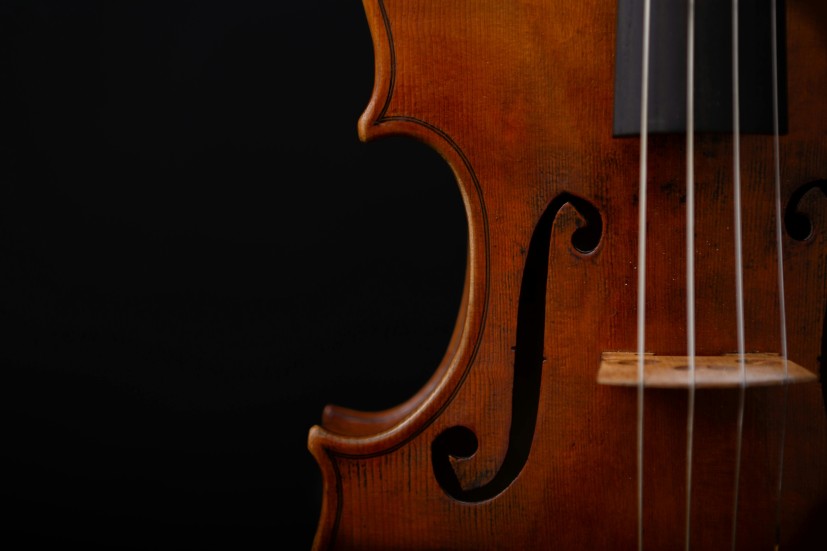
Stradivarius violins captivate as premier rare instruments in violin history, drawing musicians, collectors, and scholars alike. Crafted by Antonio Stradivari in Cremona, Italy, during the late 17th and early 18th centuries, these masterpieces command auction prices in the millions, blending unmatched craftsmanship, scarcity, and sonic excellence that has puzzled experts for generations.
Who Was Antonio Stradivari?
Antonio Stradivari emerged from humble beginnings in Cremona, a hub of luthiery that shaped violin history. Born around 1644, he entered the workshop of Nicolo Amati, whose family had perfected the violin form decades earlier. Stradivari absorbed Amati's techniques but pushed boundaries, experimenting with larger body sizes, flatter arching, and innovative varnish applications to boost resonance and projection.
By the 1680s, his instruments gained notice among nobility and virtuosos. The true pinnacle arrived during his Golden Period from 1700 to 1725, when Stradivari, with help from sons Francesco and Omobono, refined designs that produced fuller, more powerful tones. He crafted over 1,100 instruments—violins, violas, cellos, and even harps—though only about 650 survive today, cementing his legacy among rare instruments.
Stradivari's workshop operated like a small factory, blending art with precision. Labels bearing "Antonius Stradivarius Cremonensis" became synonymous with excellence, even as copies flooded markets. His innovations, from thicker woods to angled f-holes, influenced every modern violin maker, ensuring his place at the heart of violin history.
Stradivarius Violins Command Sky-High Prices
The value of Stradivarius violins stems from a potent mix of rarity, historical prestige, and investment appeal. With just 650 examples enduring from over 1,100 originals, supply stays perpetually tight. Golden Period violins, prized for superior tone, dominate auctions; the 1721 Lady Blunt fetched $15.9 million in 2011, while pristine pieces like the 1716 Messiah are appraised at over $20 million.
Provenance elevates certain instruments further—ownership by icons like Niccolo Paganini or Itzhak Perlman adds layers of allure. Condition matters immensely; well-preserved violins with original varnish outshine restored ones. Beyond tangibles, these rare instruments serve as status symbols and financial hedges, appreciating steadily amid art market volatility.
Demand surges from elite performers who access them via loans from foundations like the Nippon Music Foundation or Juilliard. Investors eye them too, as values climb—average prices doubled in the last decade alone. Fakes abound, with thousands of mislabeled copies requiring expert authentication via wood dendrochronology and chemical analysis, which only heightens the mystique and worth of genuine Stradivarius violins in violin history.
How Many Stradivarius Violins Survive, and What Sets Their Sound Apart?
Of the surviving 650 Stradivarius instruments, roughly 450 are violins, with the rest violas and cellos. Museums hold about 12%, including Oxford's Ashmolean with the untouched Messiah. The remainder circulates among top soloists through loans, ensuring these rare instruments resonate on global stages rather than gathering dust.
Their sound defies full explanation but consistently wows players with brilliant projection, rich overtones, and dynamic range. Violinists describe effortless power in halls, nuanced colors from whispers to roars, and an evolving timbre that matures with age and play. Scientific studies highlight dense alpine spruce harvested during a miniature ice age, yielding tighter grain for superior vibration. Stradivari's varnish—possibly mineral-infused with borax, zinc, or iron oxides—sealed the wood, preventing cracks while enhancing harmonics.
Geometry plays a starring role too: longer bodies, shallower arches, and precise f-hole angles optimize airflow and string response. Blind tests, like those by Claudia Fritz, show modern violins holding their own in studios, yet Stradivarius pieces excel live, carrying over orchestra sections with clarity. Debates persist—some credit "secret geometry," others climate-treated wood—but performers swear by their irreplaceable edge in violin history.
Modern Luthiers Replicate Stradivarius Magic
Modern makers pore over CT scans, spectral analyses, and varnish recreations, yet true replication slips away. Workshops in Cremona and beyond mimic contours, but subtle differences in power, warmth, and projection persist. Theories abound: flea-repellent chemicals in the varnish, ice-age wood density, or lost neck angles. High-end contemporaries impress juries, but under stage lights, Stradivarius violins reveal their supremacy among rare instruments.
Record holders include the Messiah at over $20 million, revered for pristine carving and golden glow, displayed at the Ashmolean. The Lady Blunt set auction benchmarks, while the 1707 Hammer commands attention for its Paganini ties. Institutions like the Stradivari Society and private trusts like Habisreitinger hoard fleets, loaning to stars such as Joshua Bell or Anne-Sophie Mutter. These guardians preserve violin history, balancing access with conservation.
Decoding the Enduring Allure of Stradivarius Violins
Stradivarius violins weave craft, science, and legend into rare instruments that define violin history. From Cremona's golden workshops to today's concert halls, their multimillion-dollar tags reflect scarcity, sonic wizardry, and cultural cachet that no copy can eclipse—inviting endless fascination.
Frequently Asked Questions
1. What is a Stradivarius violin?
A Stradivarius violin refers to instruments handcrafted by Antonio Stradivari or his workshop in Cremona, Italy, primarily between the late 1600s and 1737. These rare instruments represent the zenith of violin history, known for superior tone and craftsmanship.
2. Why are Stradivarius violins so valuable?
Their multimillion-dollar prices stem from extreme rarity—only about 650 survive—combined with unmatched sound quality, historical provenance, and investment appeal. Golden Period examples from 1700-1725 fetch the highest bids due to pristine condition and elite ownership.
3. How many Stradivarius violins still exist?
Roughly 650 total instruments remain, including around 450 violins, with 12% in museums and others loaned to top performers. Authentication battles widespread fakes, relying on wood analysis and expert verification.
4. What makes Stradivarius violins sound better?
Dense alpine spruce from a cold era, mineral-rich varnish, and precise geometry deliver brilliant projection, rich overtones, and responsiveness. They excel in live settings, evolving with age for deeper timbre.
5. Can you replicate a Stradivarius violin today?
Modern luthiers use scans and recreations but fall short on full sonic magic, missing lost varnish secrets or wood treatments. High-end copies compete in tests, yet performers favor originals for stage power.
6. Who owns the most expensive Stradivarius?
The 1716 Messiah at Oxford's Ashmolean Museum tops estimates at $20 million+ for its flawless state. Auction records include the 1721 Lady Blunt at $15.9 million, with many held by foundations for soloists.
© 2026 Classicalite All rights reserved. Do not reproduce without permission.


