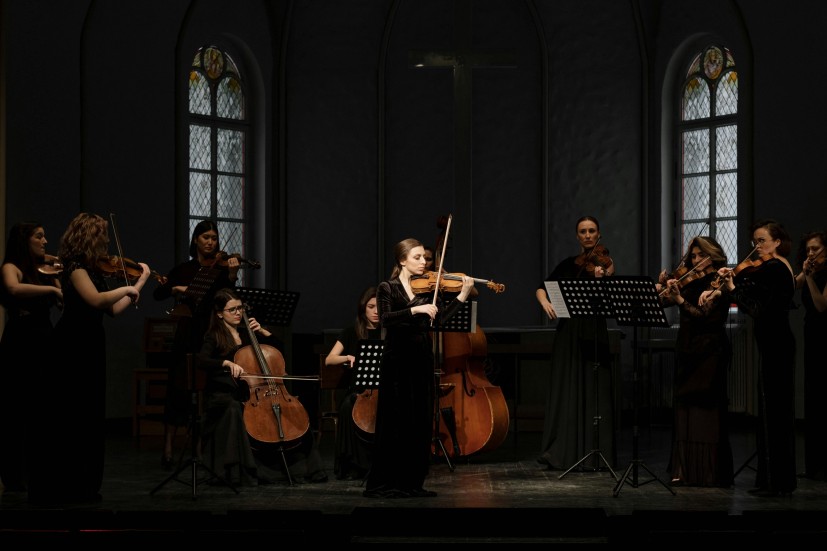
Orchestras dedicate months to the orchestra rehearsal process for seamless symphony preparation ahead of major performances. Conductors, musicians, and staff coordinate every detail to transform complex scores into unified live experiences that captivate audiences.
Core Stages of Symphony Preparation
Symphony preparation kicks off long before the concert hall lights dim. Individual musicians receive scores weeks or months in advance, diving into personal practice sessions at home. They mark fingerings, bowings, breaths, and dynamics, committing passages to memory to build technical command. This solo phase sets the groundwork, as no one wants to hold up the group later.
Sectional rehearsals follow, splitting the orchestra into strings, woodwinds, brass, and percussion. String players unify bow directions under the concertmaster's lead, ensuring smooth strokes across violins, violas, cellos, and basses. Woodwinds focus on blending tones and matching vibrato, while brass sections refine attacks to avoid clashing overtones. Percussionists dial in precise rhythms on timpani or cymbals. These targeted 1-2 hour meetings iron out instrument-specific hurdles, creating cohesion within families before the full ensemble convenes.
Full rehearsals then merge everything. Conductors start with trouble spots—tricky transitions or exposed solos—running them repeatedly until clarity emerges. The group progresses to run-throughs, halting for balance tweaks or tempo adjustments. Early sessions emphasize accuracy; later ones prioritize phrasing and emotional arc. Pianists or harpsichordists might join for concerti, adding another layer of synchronization. This orchestra rehearsal process evolves iteratively, with musicians noting conductor feedback in scores for home review.
Orchestra Rehearsal Process
The orchestra rehearsal process varies by program scale and orchestra caliber. Community groups might squeeze prep into 10-15 hours over weeks, while professional ensembles like the Berlin Philharmonic allocate 20-30 hours per concert, spread across 5-8 sessions. Each rehearsal lasts 2-2.5 hours to combat fatigue, adhering to union rules that cap daily work.
Simpler programs, such as overtures and concertos, wrap faster—perhaps 12 hours total. A full symphony like Mahler's sprawling Eighth demands double that, with extra sectionals for its massive forces. Touring adds pressure; orchestras rehearse en route or in venue side rooms. Breaks punctuate every hour: 10 minutes for tuning, stretching, or water. Conductors watch energy levels, ending on highs to build momentum.
Prep timelines shift for premieres or unfamiliar works. New commissions get 50% more time, as musicians decipher contemporary notation or unconventional effects. Established pieces like Beethoven's Fifth benefit from muscle memory, trimming hours. Major festivals compress schedules, relying on prior familiarity. Overall, efficiency stems from pros' experience—top orchestras polish a program in days what amateurs stretch over months.
Conductor's Role in Symphony Preparation
Conductors anchor symphony preparation, blending vision with pragmatism. They arrive earliest, poring over scores to map rehearsal flow: toughest movements first, then assembly. Gestures convey tempo, dynamics, and character—left hand for balance, right for rhythm. A flick quiets brass; a nod cues oboe solos.
They foster dialogue without chaos. "Strings, more warmth here," or "Horns, lighter articulation." Pauses target imbalances, like overpowering trumpets drowning violins. Run-throughs reveal pacing flaws; conductors note audience sightlines or hall acoustics. For guest soloists, they bridge gaps, rehearsing cadenzas separately.
Preparation extends off-podium. Conductors study historical recordings, composer intent, and venue quirks. They brief section principals on priorities, adjusting for injuries or substitutes. In youth orchestras, teaching sharpens focus; pros demand instinctual response. Their score becomes a battlefield of annotations, guiding orchestra rehearsal process toward interpretive depth.
Read more: Why Classical Music Is Storming Streaming Platforms and Winning Over a Fresh Wave of New Listeners
Dress Rehearsals and Variations Across Performance Types
Dress rehearsals cap symphony preparation, mimicking show night. Musicians don black tie, assemble onstage for tuning—A440 pitch from oboe rippling through sections. Full runs unfold without stops, simulating applause cues and exits. Stage crew tests lights, adjusting for violinists' stands or timpanists' glow. Tech runs incorporate video screens or amplification for pops concerts.
Final tweaks address nerves: horn players double-check valves, flutists warm embouchures. Emergency drills cover string breaks or conductor mishaps. Post-dress notes refine opens, like softening a crescendo for balcony reach.
Variations abound. Opera weaves singers and chorus, adding piano rehearsals then orchestra-singer sitzprobes—no staging, pure sound. Staged runs follow, syncing pit with supertitles. Ballet demands visual cueing, watching dancers mid-phrase. Recordings intensify scrutiny; multiple takes per movement chase perfection, editing later. Film scores layer clicks and cues, with click-tracks for sync. Outdoor venues factor wind or rain, prompting protective covers. Each twist adapts the orchestra rehearsal process, ensuring adaptability.
Insights into Effective Orchestra Rehearsal Process
Layered discipline defines symphony preparation, from solitary study to collective polish. Brief, purposeful sessions maximize retention, blending rigor with artistry. Audiences witness months of refinement in mere hours, a testament to musicians' craft. Whether Beethoven or Bernstein, the orchestra rehearsal process turns pages into pulse-pounding reality.
Frequently Asked Questions
1. How long does the typical orchestra rehearsal last?
Orchestral rehearsals generally run 2-3 hours to maintain focus and avoid fatigue. Professional groups hold 4-8 sessions per program, adjusting for complexity like full symphonies that need more time.
2. What happens during sectional rehearsals?
Sectionals divide musicians by instrument family—strings, winds, brass—to refine technique, intonation, and balance. Leaders guide bowings or phrasing, building unity before full ensemble work.
3. How does a conductor lead the orchestra rehearsal process?
Conductors plan the order, starting with challenging passages, and use gestures for tempo, dynamics, and cues. They stop for adjustments, ensuring cohesive interpretation across sections.
4. Why are dress rehearsals essential in symphony preparation?
Dress rehearsals simulate concert conditions with formal attire, full run-throughs, and stage setup. They fine-tune timing, acoustics, and nerves right before opening night.
5. How does preparation differ for opera versus standard symphony concerts?
Opera adds singer integration, staging, and sitzprobes for musical sync. Timelines extend with movement cues, unlike symphonies focused purely on orchestral blend.
© 2026 Classicalite All rights reserved. Do not reproduce without permission.


