Opera for beginners often sparks equal parts excitement and nerves, but straightforward approaches turn it into an enjoyable discovery. This guide explores how to enjoy opera through simple entry points, timeless recommendations, and practical habits that build lasting interest.
Opera for Beginners
Opera combines sung drama, orchestral sweep, and visual spectacle into stories that hit deep emotional notes. At its core, performers convey love, rage, or redemption purely through voice, without microphones, supported by instruments that amplify every nuance. For newcomers, this format feels like watching a blockbuster film unfold live, where melodies drive the plot as much as words do.
Many shy away due to assumptions of stuffiness or complexity, yet modern access points like streaming clips dissolve those barriers fast. Starting with bite-sized pieces reveals opera's raw power—think of a single singer holding an audience rapt for minutes. Over time, grasping basics like arias (solo showcase songs) or recitatives (speech-like passages) makes full performances less mysterious. The key lies in approaching opera for beginners as emotional immersion rather than academic study; let the music pull you in first.
Language often tops the intimidation list, with Italian dominating classics, but English supertitles project translations above the stage in most productions. Voices vary dramatically too—sopranos soar with bright clarity, baritones rumble with authority—each type suiting character roles perfectly. Beginners quickly notice how these elements blend into narratives drawn from myths, history, or everyday passions, making opera relatable despite its grandeur.
Easing Past Common Hurdles
First-timers frequently cite length, foreign tongues, or perceived elitism as roadblocks, but targeted strategies flip these into strengths. Long acts? Begin with overtures, those orchestral preludes that set the mood in under ten minutes, teasing themes you'll hear later. Foreign lyrics? Focus on facial expressions and gestures; performers train to broadcast feelings non-verbally, so the drama lands even without every word.
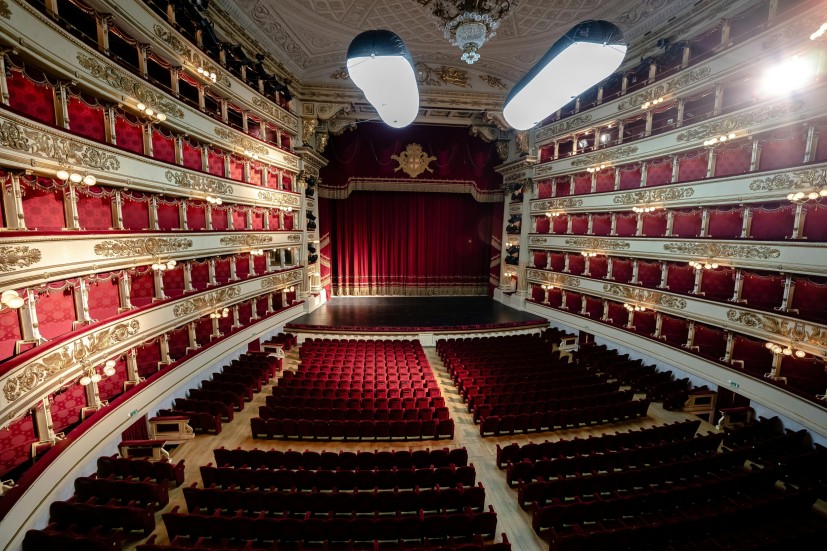
Preparation keeps things smooth. A quick plot skim—often available free on theater sites—provides context without spoilers ruining surprises. Etiquette boils down to basics: mute devices, settle in before the curtain, and applaud after arias or acts, following the crowd's lead. Venues span opulent halls to intimate theaters, and dress codes have relaxed; smart casual fits most spots, letting focus stay on the show.
Listening habits naturally evolve for opera beginners. Platforms like YouTube or Spotify offer curated playlists of highlights, perfect for commutes or workouts. Headphones reveal subtle vibrato or dynamic shifts that speakers miss, drawing listeners deeper. Over weeks, transition from three-minute arias to half-hour scenes, building stamina while chasing those spine-tingling payoffs. Communities online, from forums to social threads, share reactions that normalize the journey—no one expects instant expertise.
Top Operas That Welcome Newcomers
Rather than a stark list, certain operas stand out for their inviting qualities, each pulling beginners in through melody, story, and brevity. Giacomo Puccini's "La Bohème" captures young love amid Parisian poverty, with arias like "Che gelida manina" that melt hearts in tender exchanges. Its two-hour span flies by, fueled by relatable bohemian struggles and tunes that linger long after.
Wolfgang Amadeus Mozart's "The Marriage of Figaro" shifts to sparkling comedy, where servants outwit nobles amid mistaken identities and sharp wit. Memorable numbers like "Non più andrai" bubble with energy, clocking in around three hours but packed with laughs and earworm melodies that make Italian feel secondary. Georges Bizet's "Carmen" amps up passion with a fiery gypsy tempting a soldier, anchored by the sultry "Habanera" and explosive ensemble scenes. At two-and-a-half hours, its rhythmic drive and tragic arc echo familiar tales of desire gone wrong.
Mozart returns with "The Magic Flute", a fairy-tale romp blending adventure, magic, and enlightenment quests. "Papageno's folksy tunes and the "Queen of the Night's stratospheric fireworks keep energy high over a similar runtime, offering lighthearted fun without heavy demands. These choices shine for how to enjoy opera: strong hooks early, emotional peaks throughout, and productions often refreshed with vibrant sets or humor. Verdi and Wagner wait for later, as their denser weaves suit seasoned ears better.
Building Your Opera Routine
Prep for a debut mirrors gearing up for any live event—light research maximizes payoff. Days ahead, absorb the synopsis and key arias via free streams from groups like the Metropolitan Opera. Pre-show talks or podcasts unpack backstories, turning unknowns into allies. On the night, arrive early to soak in the atmosphere: buzzing crowds, gleaming chandeliers, the hum of tuning strings.
Language barriers fade fast. Supertitles scroll like subtitles, synced precisely, while music's universality bridges gaps—joy swells in major keys, sorrow dips low. Apps with librettos and translations let home listeners follow along, revealing poetry that elevates simple plots. Repeated exposure unlocks phrases; "bravo" shouts become second nature.
Daily dives accelerate appreciation. Start mornings with "Nessun Dorma" from Puccini's "Turandot", its triumphant build delivering chills in four minutes. Evenings suit "O Mio Babbino Caro" from Gianni Schicchi, a daughter's playful plea laced with charm. "Habanera" pulses with seduction, while the "Queen of the Night's vengeance aria stuns with vocal acrobatics. Rotate these to trace voice types and moods.
Local options abound: community theaters stage affordable versions, or screens broadcast live from Europe. Virtual archives preserve classics, subtitled and HD-sharp. Pair listens with walks or chores to seamlessly weave opera into life.
Arias That Hook You Instantly
Short solos pack opera's essence, proving that you can enjoy opera without a full commitment. Luciano Pavarotti's rendition of "Nessun Dorma" crescendos to victory, embodying heroic resolve. Lauretta's "O Mio Babbino Caro" charms with youthful longing and an irresistible lilting flow.
Carmen's "Habanera" sways hypnotically, teasing fate's twists. The Queen of the Night unleashes fury in "Der Hölle Rache," notes climbing to superhuman heights. Rodolfo's "Che gelida manina" woos tenderly in La Bohème, painting poetic dreams. These gems, under five minutes each, showcase why voices mesmerize—pure, unamplified power stirring the soul.
Next Arias to Explore in Opera
Opera unfolds gradually, revealing layers with each encounter that deepen the thrill. Beginners who sample one aria or synopsis this week often find themselves booking tickets soon after, hooked on the live magic that recordings only hint at. Dive into these favorites and watch hesitation turn to passion in opera for beginners.
Frequently Asked Questions
1. What is opera in simple terms?
Opera is a sung drama where stories unfold through music, voices, and staging—no spoken dialogue, just orchestral power driving emotions like love or revenge.
2. How do I start enjoying opera as a beginner?
Pick short arias on YouTube, like "Nessun Dorma," read a quick plot summary, and watch a streamed show with subtitles to feel the thrill without pressure.
3. What's the easiest opera for newcomers?
La Bohème by Puccini—short, romantic, with melodies that stick and a story of young artists in Paris anyone can relate to.
4. Do I need to understand Italian to enjoy opera?
No, supertitles provide translations live, and music plus acting convey the heart of the story universally.
5. How long is a typical opera?
Most run 2-3 hours with intermissions; beginners should start with highlights under 5 minutes to build up.
6. What should I wear to my first opera?
Smart casual works—jeans and a nice shirt fit modern venues; skip formalwear unless specified.
7. Where can I watch opera for free?
Met Opera streams on YouTube, Spotify playlists, or PBS broadcasts offer full acts and arias at no cost.
8. Why does opera feel so intimidating?
Length and language create barriers, but focusing on emotions over perfection turns it into pure enjoyment fast.
© 2026 Classicalite All rights reserved. Do not reproduce without permission.


